Pascal Lagrue joins the Board of the Autorité de la concurrence
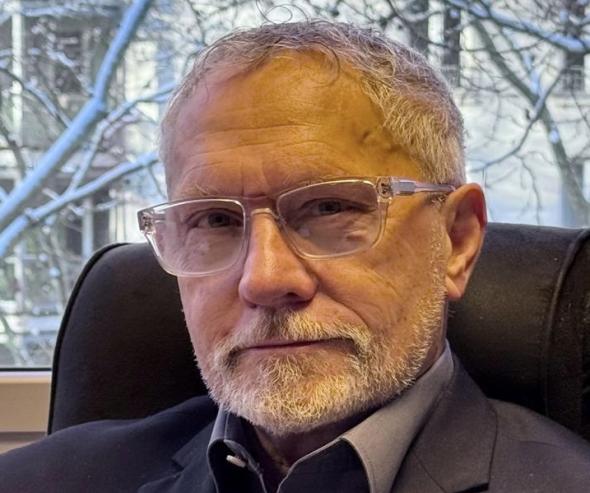
By decree of the President of the French Republic of 27 February 2026, Pascal Lagrue – Confederal Secretary of the Force Ouvrière (FO) trade union, with responsibility for development, trade union training, housing and consumer affairs, and President of the Association Force Ouvrière Consommateurs (AFOC) consumer association – has been appointed to the Board of the Autorité de la concurrence to replace David Rousset, whom the Autorité thanks for all his work.
Biography
Trained in civil, employment and commercial law, and a journalism graduate (1998) with certification as a professional mediator (2007), Pascal Lagrue has extensive experience in social dialogue and consumer advocacy.
Since 2002, Pascal Lagrue has held a number of trade union representative roles within French social security organisations, such as the CARSAT regional retirement and occupational health fund and CPAM local health insurance offices, while also serving as an assessor at the Social Security Tribunal (TASS) and as an employment tribunal adviser.
Having completed multiple diploma and certification programmes in training, communication, conflict management and negotiation and mediation techniques, Pascal Lagrue served from 2010 to 2022 as Secretary General of the Rhône branch of the Force Ouvrière (FO) trade union and as Regional Coordinator for the Rhône-Alpes region.
Since 2022, Pascal Lagrue has been Confederal Secretary of the Force Ouvrière (FO) trade union, with responsibility for development, trade union training, housing and consumer affairs, as well as President of the Association Force Ouvrière Consommateurs (AFOC) consumer association, which represents consumers in numerous departmental and national bodies.
As a reminder, the Board of the Autorité is made up of 17 members with irrevocable terms of office. The President and the four Vice-Presidents perform their duties on a full-time basis, while the 12 other members are non-permanent. The members are drawn from both the public and private spheres: consequently judges, professors, economic leaders, and representatives of professional and consumer organisations share their points of view during deliberations.
Contact(s)